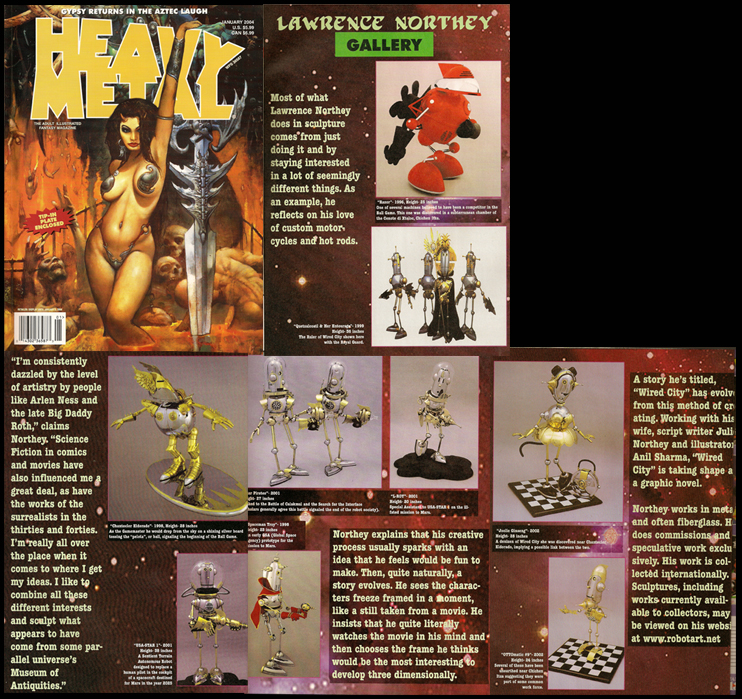
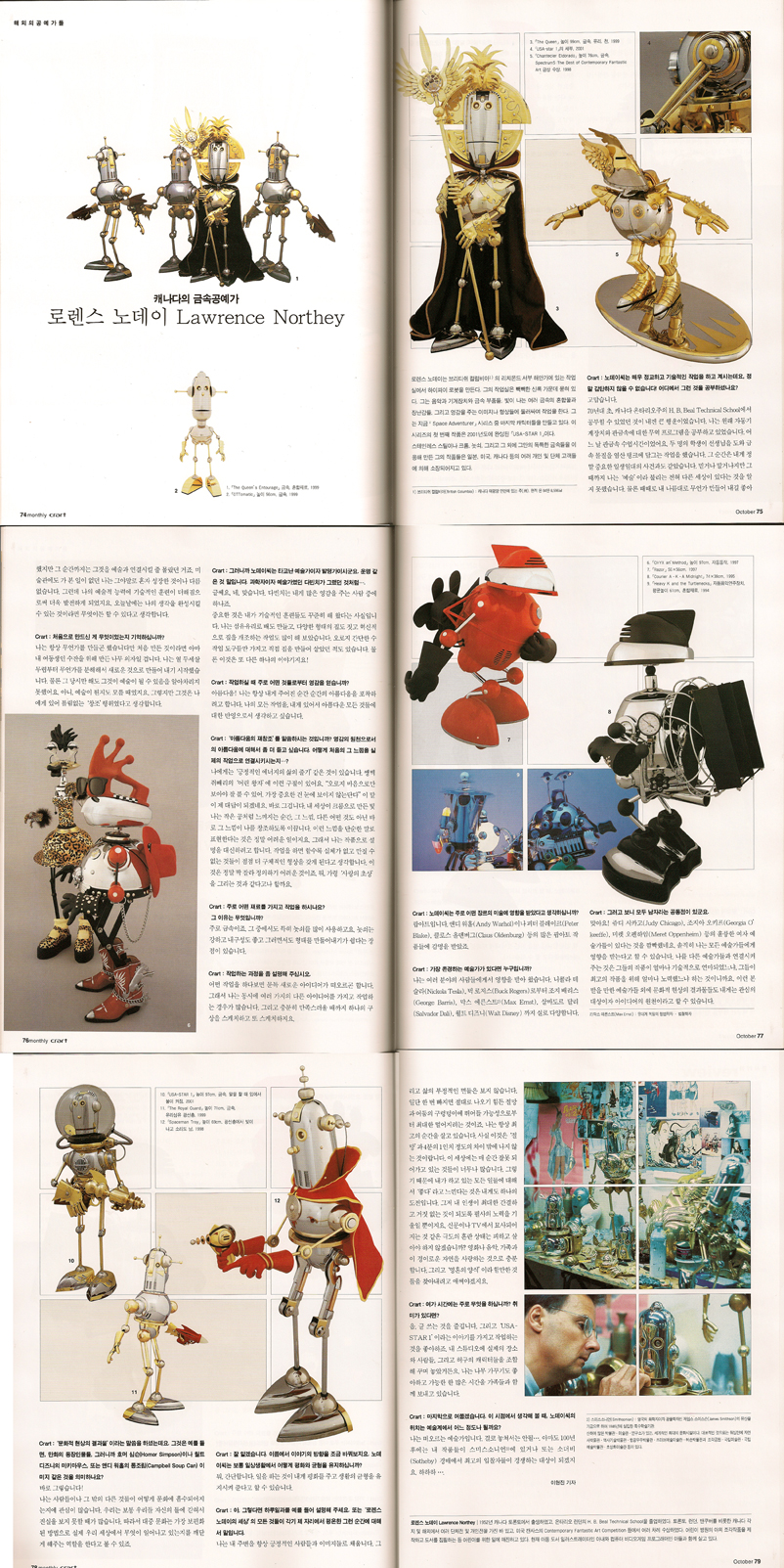
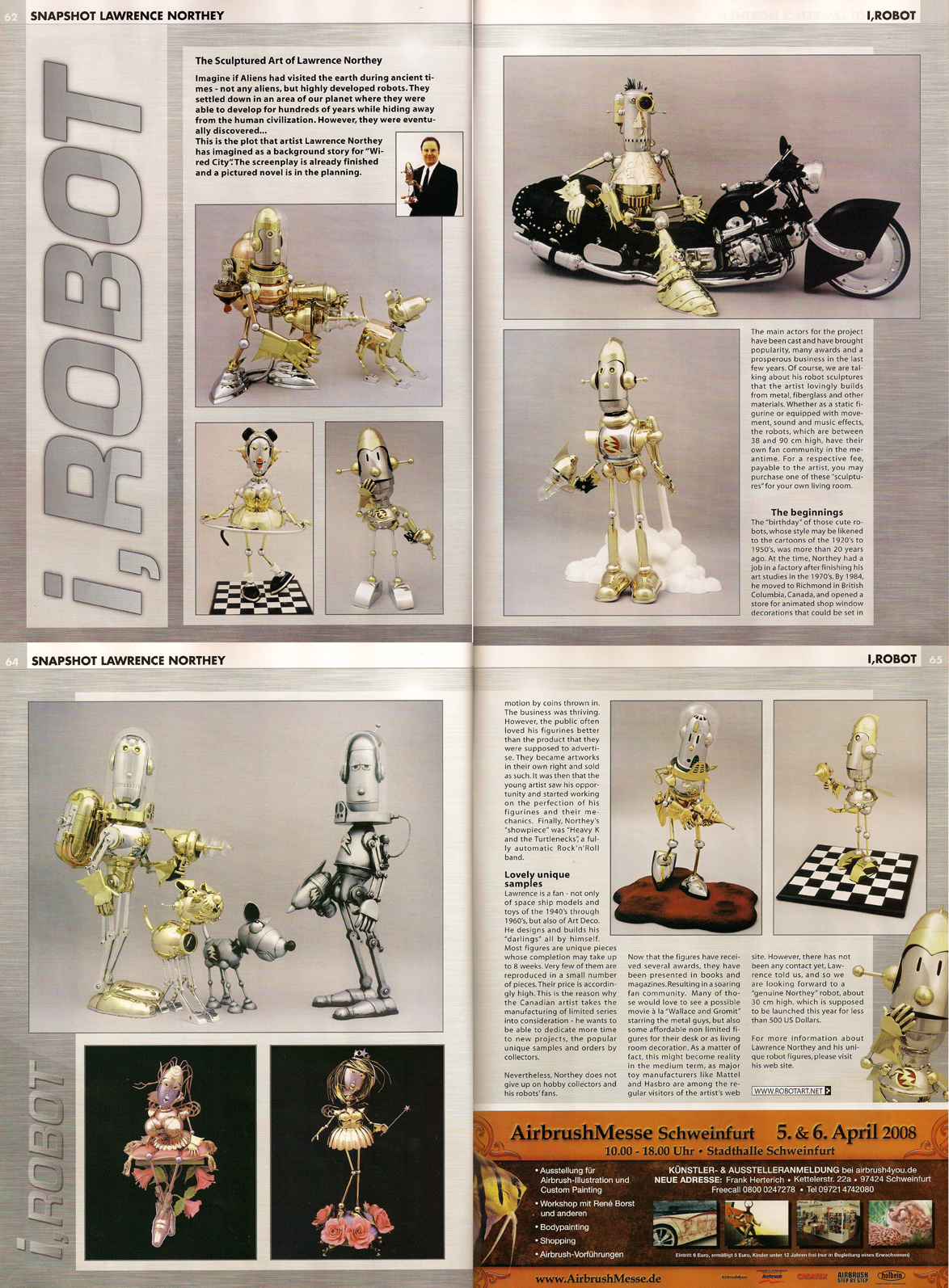
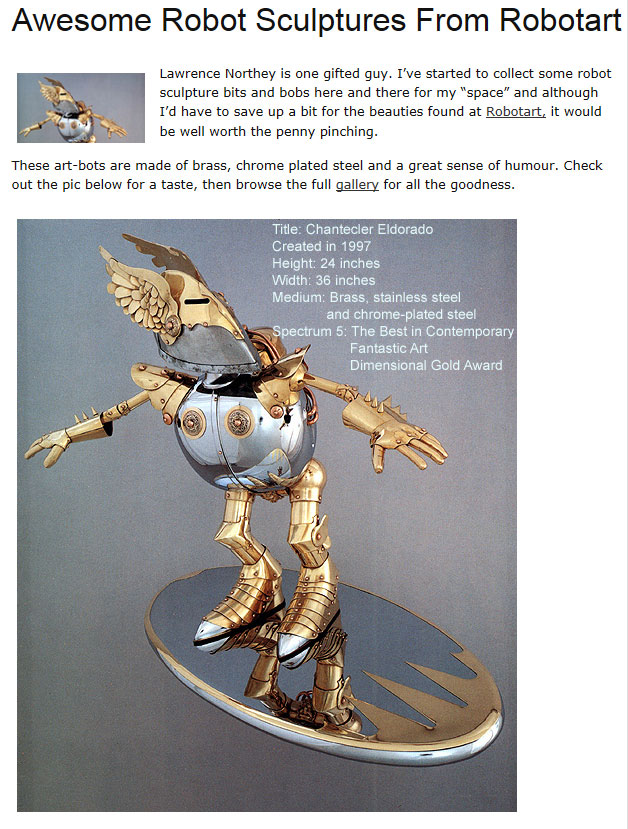
1998 : Spectrum 5 : The Best in Contemporary Fantastic Art
1999 : Spectrum 6 : The Best in Contemporary Fantastic Art
2000: Retrofuturist Award, Stockholm, Sweden
2002 : Spectrum 9 : The Best in Contemporary Fantastic Art
Silver Award : Dimensional - "L-Roy"
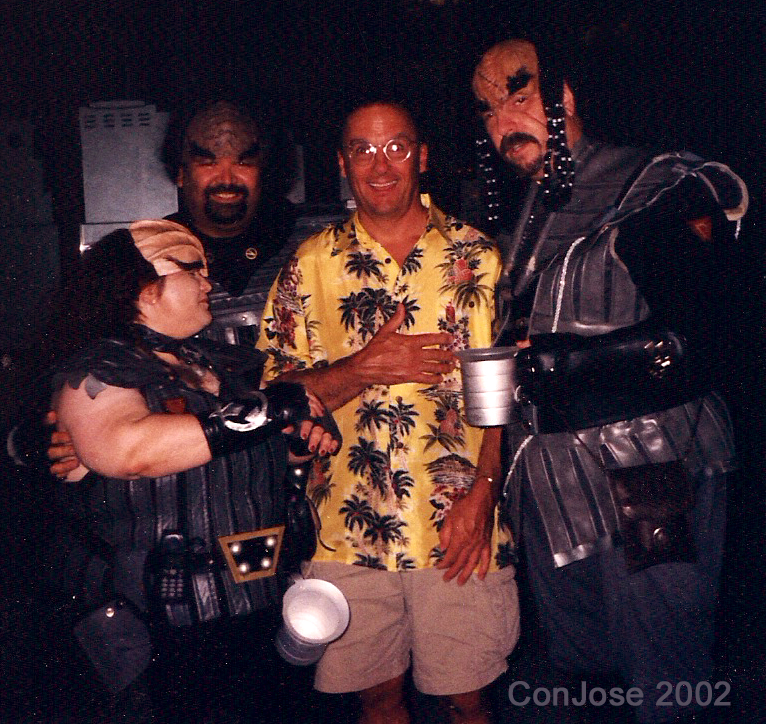
2002 : ConJose : 60th Annual Science Fiction Convention & Art Show
San Jose, California
Judges Choice Award
Directors' Choice Award
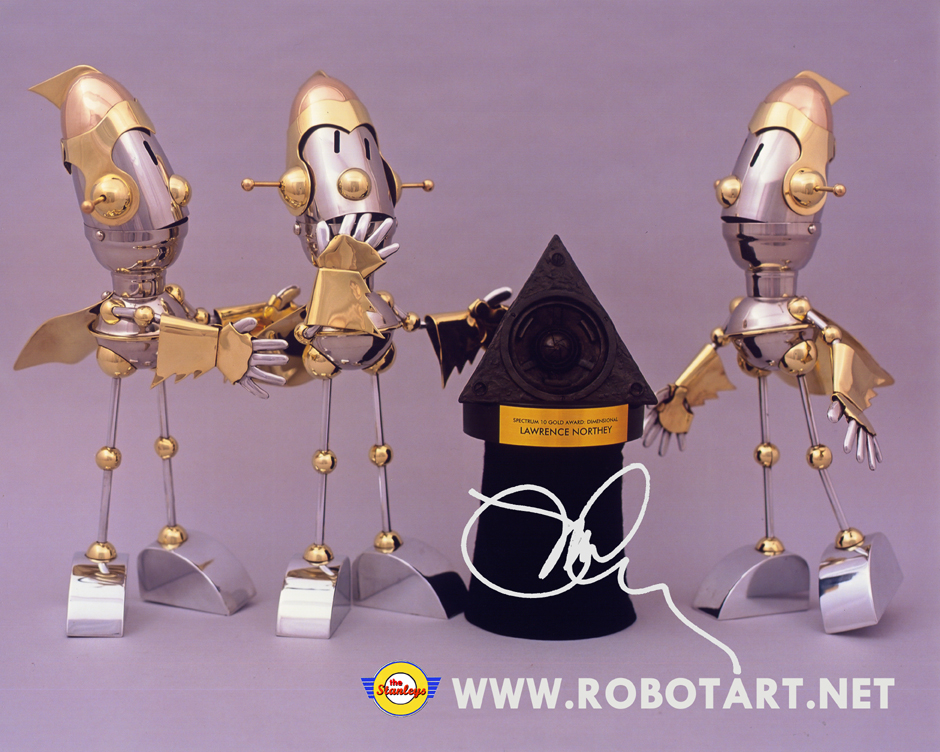
2003 : Spectrum 10 : The Best in Contemporary Fantastic Art
2005 : Spectrum 12 : The Best in Contemporary Fantastic Art
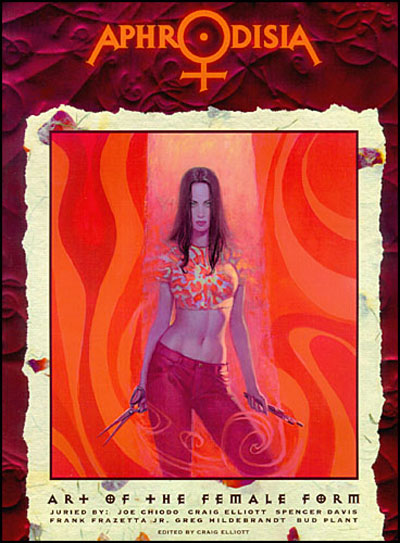
2005: Sculpture Silver Award : Aphrodisia: Art of the Female Form - "Quan Yin"
EXHIBITIONS:
2012: SMASH MODERN ART, Vancouver, BC
March 30 - April 21, 2012
2010: Mulvane Art Museum, Topeka, Kansas
The Art of the Robot - June 19 - September 19
2009: BOXeight Studios, Los Angeles, California
California Modern Art Gallery, San Francisco. California
2008: Elissa Cristall Gallery, Vancouver, British Columbia
2006: Richmond Art Gallery, Richmond, British Columbia
2005: Spectrum: The Exhibition at the Museum of American Illustration, New York, NY
2005: Cheongju International Craft Biennale, Cheongju, Republic of Korea
2003: First Biennial Dimensional Salon, Museum of American illustration, New York, NY
2002: ConJose: 60th Annual Science Fiction Convention & Art Show
San Jose, California
2001: Things From Another World, Universal City, Los Angeles California
2001: John Natsoulas Gallery, Davis, California
2001: Twist Gallery, Portland Oregon
2000: Yokohama Craft Exhibit, Yokohama, Japan
2000: Modernism, Los Angeles, California
2000: John Natsoulas Gallery, Davis, California
2000: Richmond Art Gallery, Richmond, British Columbia
1999: Richmond Art Gallery, Richmond, British Columbia
1999: John Natsoulas Gallery, Davis, California
1998: Twist Gallery, Portland, Oregon
1997: Richmond Art Gallery, Richmond, British Columbia